
Teach Makeup Course
Online Makeup Instructor Training for Artists Ready to Teach
Learn how to plan group and one-on-one classes, prepare a professional learning space, organize hands-on sessions, develop the business side of your teaching services, and guide students through graduation.
What Is Makeup Instructor Training?
Makeup instructor training teaches artists how to turn professional knowledge into organized lessons and student experiences. This program covers where to teach, how to prepare the classroom, how to structure hands-on sessions, how to operate and market an education service, and how to evaluate students through graduation.
| Training Area | What You Learn | Why It Matters |
|---|---|---|
| Teaching Locations | Evaluate locations for group classes and one-on-one sessions. | Create a professional, comfortable and accessible learning environment. |
| Business Operations | Review legal considerations, finances and core business setup concepts. | Build a more organized foundation for your education services. |
| Classroom Organization | Arrange workstations, products, tools, mirrors and sanitation supplies. | Support smoother demonstrations and hands-on practice. |
| Branding & Promotion | Explore pricing, marketing, networking and social media. | Help prospective students understand and discover your classes. |
| Class Delivery | Prepare practical sessions, manage time and organize technique-specific stations. | Keep lessons structured, balanced and easier to follow. |
| Student Completion | Evaluate progress, recognize achievements and plan graduation. | Create a clear finish to the learning experience. |
Turn Makeup Knowledge Into Lessons Students Can Follow
Being able to create a finished look is different from being able to explain each step, organize practice and keep learners moving toward the same goal.
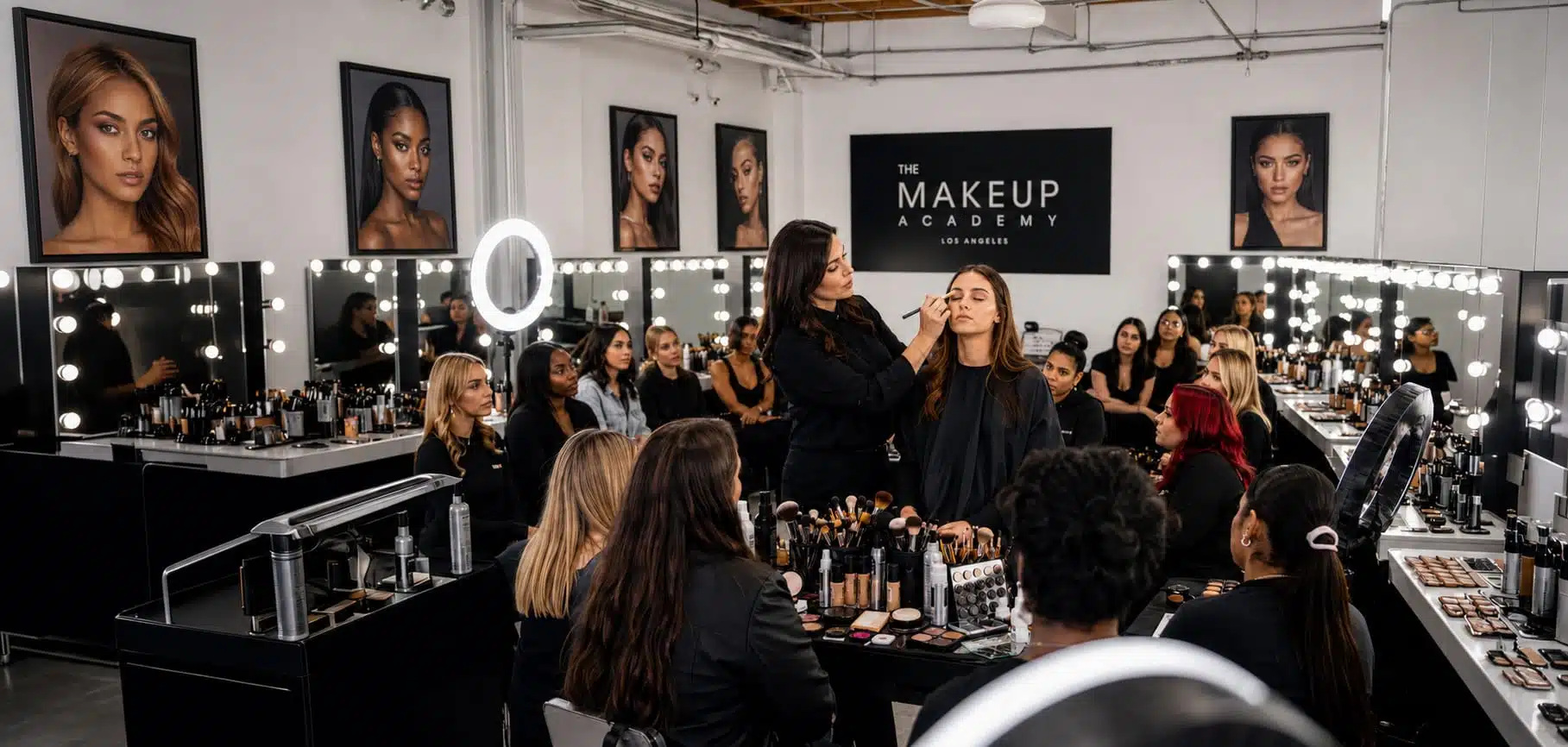
The course focuses on the decisions behind instruction: where a session takes place, how the room is prepared, what products and tools are available, how time is managed and how students move from demonstration to hands-on work.
You will also explore the business side of education, including setup, pricing, branding, promotion, networking and social media. The final chapter brings the student journey together with progress evaluation and graduation planning.

How to Plan and Teach Makeup Classes Professionally
A strong class gives students a clear view of the demonstration, organized tools, enough practice time and a defined way to measure progress.
Plan the Student Experience Before Class Begins
Successful instruction starts before the first demonstration. Think through visibility, lighting, station layout, product access, sanitation and the amount of time students need to observe, practice and review each technique.
Make Demonstrations Easy to Follow
Plan visibility, lighting and room layout so learners can focus on the technique being shown.
Organize Hands-On Practice
Balance explanation, demonstration and practice time so the session feels structured instead of rushed.
Keep Stations Professional
Prepare brushes, mirrors, cosmetics and sanitation supplies in an orderly learning environment.
Recognize Student Progress
Use evaluation and graduation planning to give learners a clear finish and encourage continued growth.
Plan the Business Behind Your Teaching Services
The curriculum goes beyond classroom organization and introduces the business decisions that support group workshops and private instruction.

Connect Instruction With a Professional Education Brand
Your teaching environment, pricing, class presentation, promotion and student experience all contribute to how learners understand your services. The business chapters help you think about those pieces as one connected system.
Operations
Review business setup considerations, including legal requirements and financial organization.
Brand Identity
Connect your presentation and student experience with a recognizable education brand.
Pricing
Explore pricing considerations for group classes and individual teaching sessions.
Promotion
Learn ways to communicate what your classes offer and reach prospective students.
Networking & Social Media
Use professional relationships and social channels to expand awareness and reputation.
Makeup Instructor Curriculum: From Foundations to Graduation
The syllabus moves from instructor foundations and location planning into business operations, classroom organization, marketing, session setup and student completion.
Chapter I: Introduction
Review the course goals and what you can expect to learn as a makeup instructor. This opening chapter establishes the foundation for the teaching journey ahead.
Chapter II: Locations
Select appropriate spaces for group or one-on-one instruction, with attention to room setup, lighting, comfort and accessibility.
Chapter III: Operating Your Business
Explore legal and financial considerations that contribute to a stronger foundation for a makeup education business.
Chapter IV: Classroom Set Up
Prepare workstations, products, brushes, mirrors, sanitation supplies and classroom organization for efficient instruction.
Chapter V: The Business
Develop your approach to branding, pricing, marketing, networking, class promotion and social media visibility.
Chapter VI: Class Set Up
Prepare hands-on sessions, manage time and organize specialized stations and product choices around the techniques being taught.
Chapter VII: Graduation
Evaluate progress, celebrate student achievements, present customized certificates and encourage continued professional growth.
Use Visual Planning to Make Lessons Easier to Explain
Clear visual references can help students understand placement, balance and the sequence of a look before they begin practical application.

Space & Lighting
Choose a comfortable, accessible setting where students can clearly see the demonstration.
Stations & Product Flow
Arrange mirrors, tools, cosmetics and work surfaces so materials are easy to reach and reset.
Sanitation & Organization
Prepare sanitation supplies and maintain an orderly workspace throughout the session.
Timing & Practice
Plan enough time for explanation, demonstration, student practice and review.
For Makeup Artists Exploring Education as a Career Path
The program is designed around the practical side of instructing others and can support several ways of adding education to your beauty career.
Organize your professional knowledge into a clearer process that students can follow, practice and complete.
Understand how location, room layout, tools, timing and learner flow work together in a shared setting.
Connect individual instruction with pricing, promotion, branding and a more professional student experience.
Questions About Becoming a Makeup Instructor
What does a makeup instructor course teach?
This training covers instructor foundations, teaching locations, business operations, classroom setup, branding, pricing, marketing, hands-on class organization, student evaluation and graduation planning.
Does the curriculum cover both group classes and one-on-one lessons?
Yes. The course discusses selecting locations and preparing learning environments for both group instruction and individual sessions.
Will I learn how to organize a professional makeup classroom?
Yes. Classroom setup includes workstations, products, brushes, mirrors, sanitation supplies, room organization and class-management considerations.
Does the training include business and marketing topics?
Yes. Business topics include operating considerations, branding, pricing, networking, class promotion and social media.
What does the graduation chapter cover?
The final chapter covers evaluating student progress, celebrating achievements, presenting customized certificates and encouraging continued professional growth.
Ready to Teach Makeup?
Build a more structured approach to instruction, class organization, business planning and the complete student experience with Vizio Makeup Academy.
