
1
Study the Lesson
Learn the theory, products, tools, safety steps, and application sequence before beginning the practical work.

Learn what online makeup classes cover, how students practice hands-on techniques from home, the difference between beginner and advanced training, and what to look for before choosing a professional makeup program.
Understanding Online Training
Online makeup classes are structured educational programs that teach makeup theory and practical application through digital lessons. Students can study techniques, watch professional demonstrations, practice each look at home, and complete assignments using their own face, friends, family members, or models.
A complete program should teach more than isolated makeup looks. Strong makeup education explains sanitation, skin preparation, color theory, complexion products, tools, application order, blending, lighting, photography, client communication, and how techniques change for different skin tones, face shapes, ages, and occasions.
Online classes can serve complete beginners, working artists who want to improve specific skills, and experienced professionals who want to expand into areas such as bridal, editorial, fashion, on-camera, airbrush, or special effects makeup.
The Learning Process
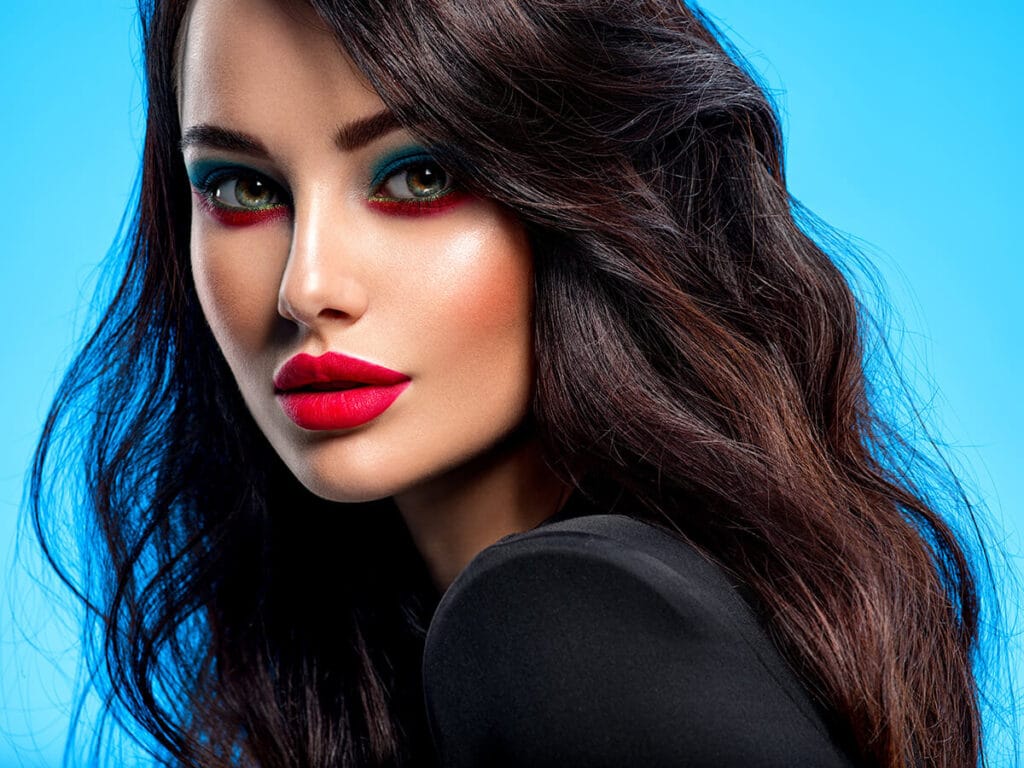
Effective online training combines clear instruction with repeated practical application. Students learn a technique, recreate it, document their work, and improve through practice and feedback.
Learn the theory, products, tools, safety steps, and application sequence before beginning the practical work.
Observe how the artist prepares the skin, holds each tool, places the product, blends edges, and finishes the look.
Recreate the technique on yourself or a model, making adjustments for skin type, coloring, facial structure, and the intended result.
Evaluate photographs, correct uneven placement or blending, apply instructor recommendations where available, and repeat the look.
Professional Makeup Fundamentals
Curriculum varies by course level, but professional classes generally combine technical application, visual judgment, hygiene, product knowledge, and client-ready working habits.
Learn hygienic product handling, brush care, workstation organization, disposable tools, and ways to reduce cross-contamination.
Assess skin condition, select appropriate preparation products, and create a smooth base for different finishes and wear requirements.
Study undertones, foundation matching, color correction, concealing, highlighting, contouring, powder placement, and complexion balance.
Develop placement, shape, balance, blending, liner, lash, and brow techniques for natural, glamour, editorial, and camera-ready looks.
Adapt techniques to the individual instead of applying one identical formula to every face, age, skin tone, or occasion.
Learn to photograph finished work, communicate with models or clients, follow a brief, manage time, and present a clean final result.
Choosing the Right Starting Point
The main difference is not simply how dramatic the finished look appears. Advanced classes expect stronger control of tools, timing, product choices, balance, and adaptation.
Beginner training should create a dependable foundation. Students learn why each step is performed and practice clean, controlled application before moving into complex looks.
Advanced training builds speed, versatility, and professional decision-making. Students work with more demanding briefs, textures, lighting conditions, and client needs.
Learning Format
Both formats can teach professional skills. The better choice depends on your schedule, location, learning habits, access to models, and willingness to practice independently.
Online learning provides flexibility and makes professional education accessible to students who cannot relocate or attend a fixed class schedule.
Classroom learning may suit students who prefer scheduled attendance, immediate physical demonstrations, and face-to-face interaction.

Practical Learning From Home
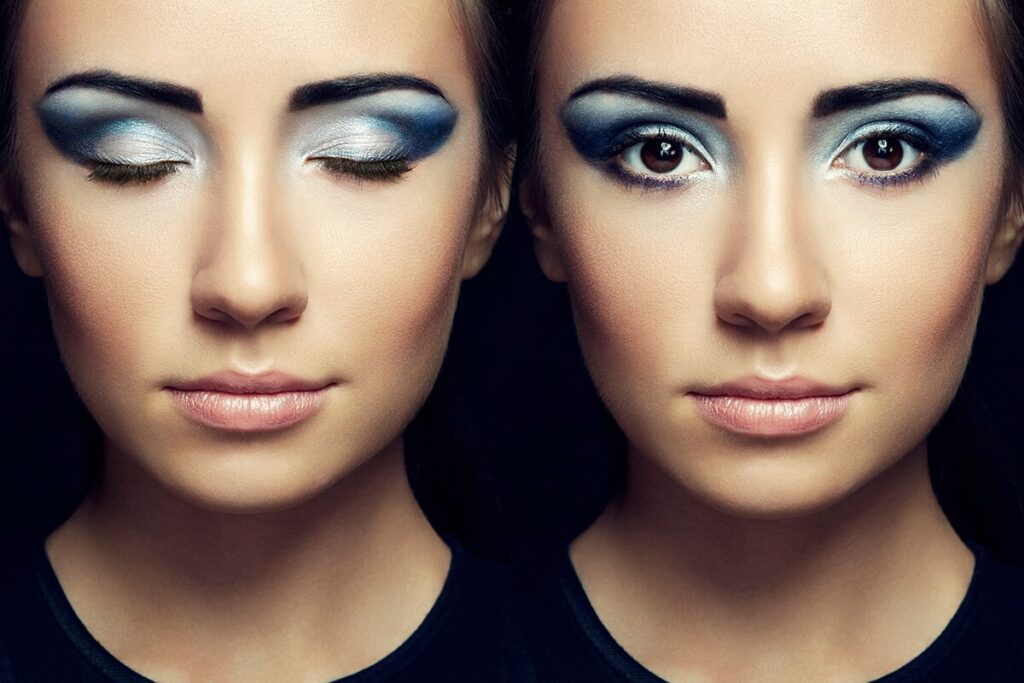
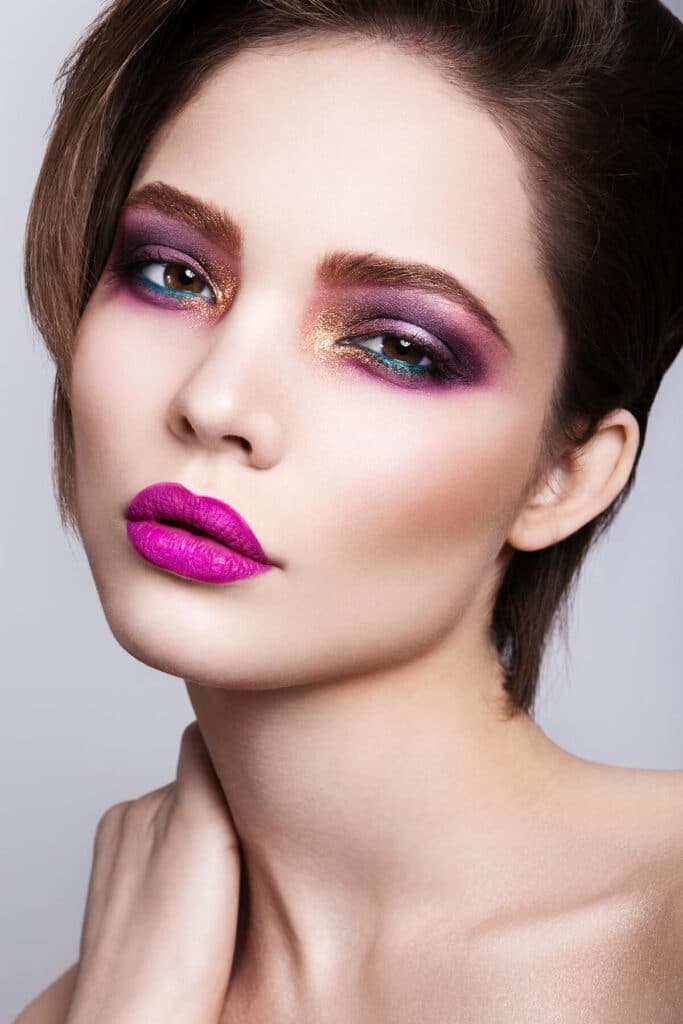
Makeup is a visual and physical skill. Students must learn how much pressure to apply, where to place color, how to control edges, when to change tools, and how the finished makeup looks under normal lighting and photography.
Practice should progress from individual techniques to complete timed applications. Photographs are valuable because they reveal symmetry, texture, color balance, flashback, and blending issues that may be less obvious in the mirror.
Products and Equipment
The exact requirements depend on the course. A beginner can practice many core techniques with a carefully selected collection of complexion, eye, cheek, and lip products instead of purchasing every available shade or trend.
Essential practice tools commonly include makeup brushes, sponges, palettes, disposable applicators, cotton products, tissues, a mixing surface, brush cleanser, hand sanitizer, pencil sharpeners, tweezers, lash tools, and suitable lighting.
Students should review the supply information for their selected program before buying products. Some classes may include specific tools or kits, while others may provide a recommended materials list. Current course inclusions and prices are available on the makeup school tuition page.

Training Time and Progress
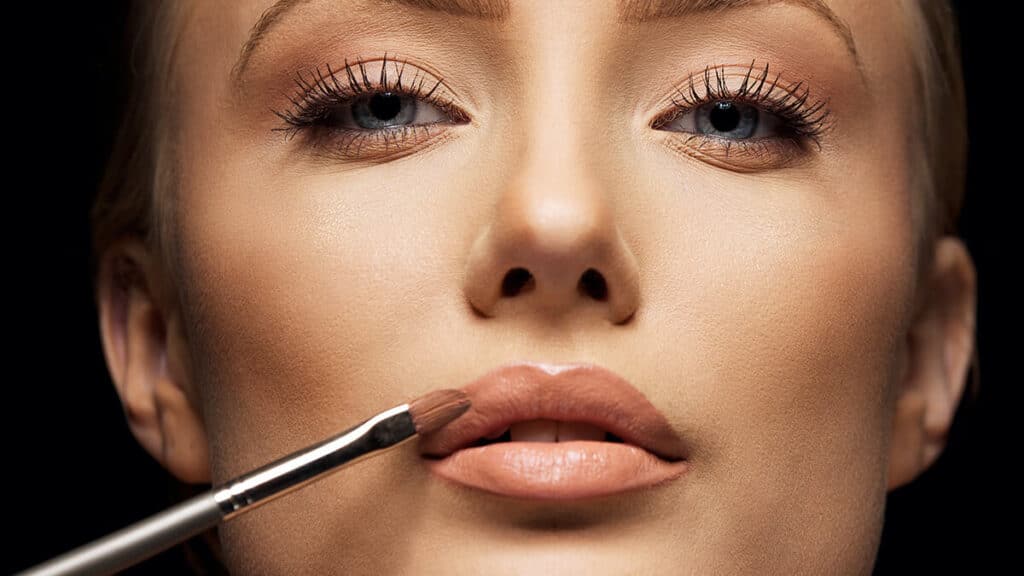
Course length depends on the curriculum, the number of practical assignments, and the amount of time a student spends practicing—not only the length of the videos.
A short foundational class requires less time than a program covering advanced beauty, airbrush, bridal, business, or special effects techniques.
Students who schedule regular practice usually progress more consistently than those who leave long gaps between lessons and assignments.
An experienced artist may move quickly through familiar skills but spend more time refining unfamiliar techniques or correcting established habits.
Professional Directions
Makeup training can support several professional directions. Career outcomes depend on skill, portfolio quality, local opportunities, networking, reliability, business preparation, and any rules that apply where services are performed.
Work with brides, wedding parties, engagement sessions, formal events, graduations, and private clients.
Collaborate with photographers, models, stylists, publications, brands, and creative teams.
Support designers, fashion shows, lookbooks, campaigns, backstage teams, and model portfolios.
Prepare talent for cameras or live performance and pursue additional special effects training where appropriate.
Demonstrate products, provide consultations, support sales, educate customers, and represent beauty brands.
Build an independent client base, create service packages, develop a portfolio, and market a personal makeup business.
Evaluating Your Options
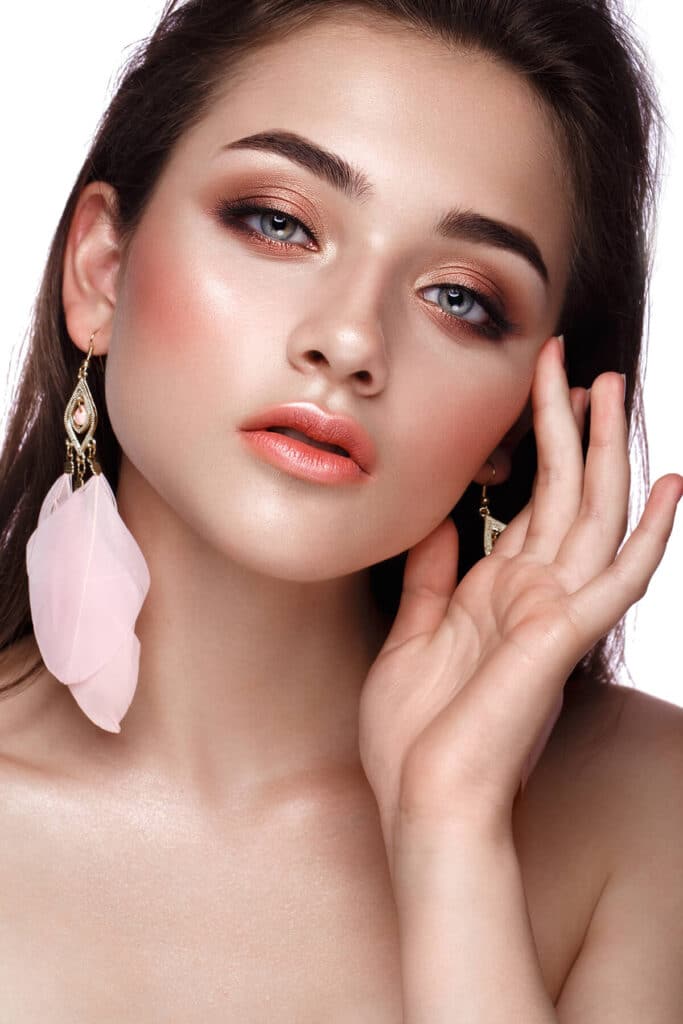
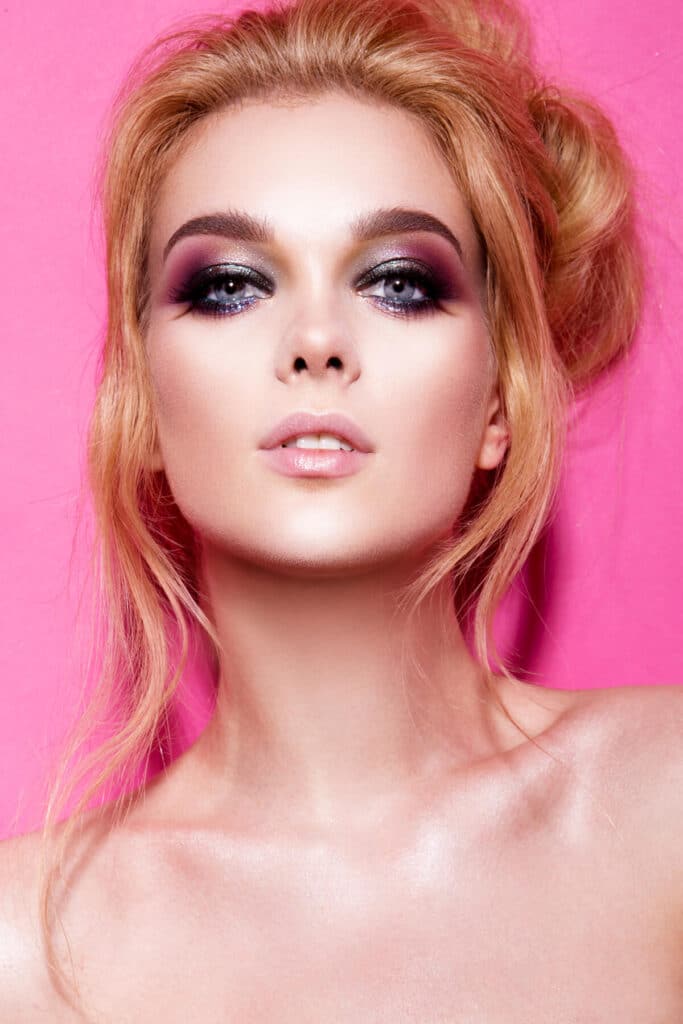
Look beyond the course name and promotional photographs. Review how the program teaches, what students are required to do, and whether the curriculum matches your intended type of work.
Areas of Makeup Study
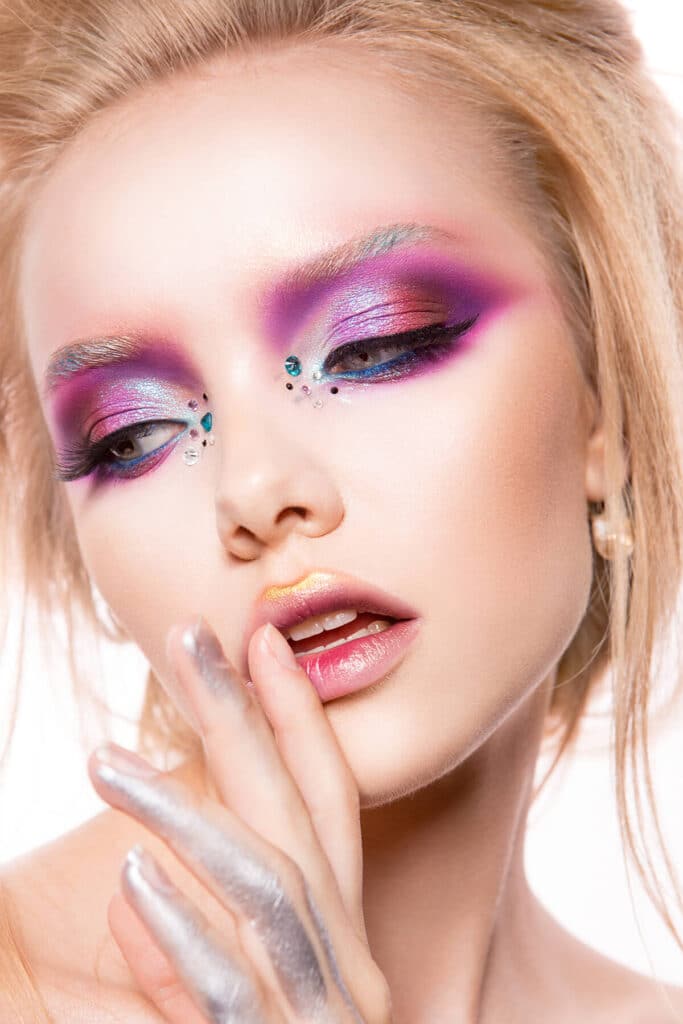
Students can begin with general makeup artistry and later add specialty education based on the clients, productions, or creative work they want to pursue.
Core sanitation, skin preparation, color theory, complexion, eyes, brows, cheeks, lips, and complete beauty application.
View Foundational Training →
More complex beauty, bridal, fashion, editorial, social-media, and on-camera techniques for developing artists.
View Advanced Beauty Training →
Long-wear application, consultations, trials, photography considerations, event timing, and wedding-client preparation.
View Bridal Makeup Training →
Character creation, injuries, aging, prosthetics, film, television, theater, photography, and creative production work.
View Special Effects Training →Frequently Asked Questions
Continue Your Research
Use the following pages for detailed program information instead of relying on this educational guide for prices, package inclusions, or certificate ordering.
Review the full course catalog for current training levels, subjects, hours, and program details, or visit the tuition page for current packages and enrollment information.
